
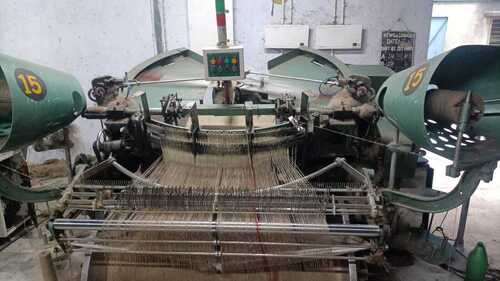
Jute Weaving Machine
Product Details:
- Product Type Jute Weaving Machine
- General Use Jute Fabric Production
- Material Stainless Steel
- Type Industrial Weaving Machine
- Capacity 500-600 meters/day
- Weight (kg) Approx 1700 kg
- Computerized No
- Click to View more
X
Jute Weaving Machine Price And Quantity
- 1 Unit
- 180-220 RPM
- AC Motor-driven
- Emergency Stop, Safety Guards
- Jute Sacking, Hessian and Industrial Textiles
- Up to 12 Tons/Month
- Below 80 dB
- Centralized Automatic Lubrication System
Jute Weaving Machine Product Specifications
- Adjustable Yarn Package Stand
- Jute Fabric Production
- No
- 380V / 440V
- Stainless Steel
- Multifilament Yarn and Sliver
- 5-50 picks/inch
- Industrial Weaving Machine
- Cam Shedding System
- Up to 3500 mm
- Positive Let Off
- Yes
- 7.5 kW
- Adjustable Temple Rollers
- PLC Based Control Panel
- Green / Silver
- Corrosion Resistant, Heavy Duty, Low Maintenance
- Automatic Mechanical Take Up
- Jute Weaving Machine
- Manual/Electronic
- Approx 1700 kg
- No
- Electromagnetic Filling Insertion
- 4000mm x 3200mm x 1900mm
- 120 inch (3000 mm)
- 500-600 meters/day
- High Speed Beating Mechanism
- 180-220 RPM
- AC Motor-driven
- Emergency Stop, Safety Guards
- Jute Sacking, Hessian and Industrial Textiles
- Up to 12 Tons/Month
- Below 80 dB
- Centralized Automatic Lubrication System
Jute Weaving Machine Trade Information
- 10 Unit Per Month
- 10-15 Days
- Asia
Product Description
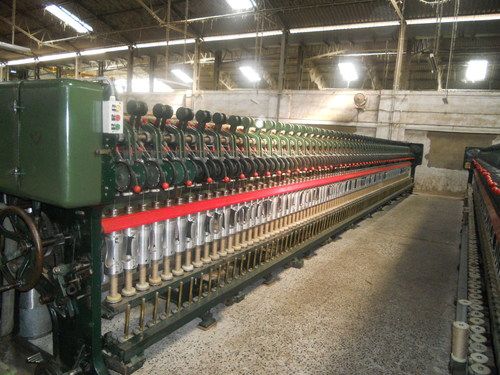
Jute weaving machines are specialized equipment used in the production of jute fabric, a popular natural fiber material commonly used in the manufacturing of bags, rugs, and other household items.
Frequently asked questions:
Q: What is a jute weaving machine?
A: A jute weaving machine is a specialized piece of equipment used in the manufacturing process of jute fabric. It is designed to weave jute fibers into a fabric that can be used in various applications.
Q: How does a jute weaving machine work?
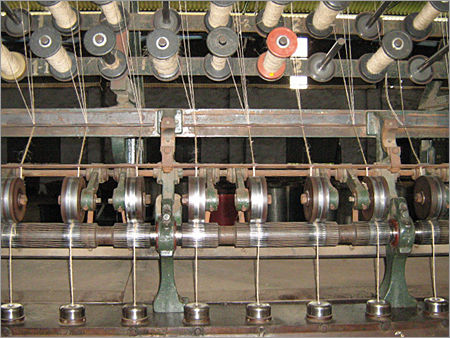
A: Jute weaving machines work by using a combination of warp and weft threads to create a tight interlocking pattern. The warp threads are stretched vertically on the machine, while the weft threads are woven horizontally through the warp threads to create a fabric.
Q: What are the different types of jute weaving machines?
A: There are various types of jute weaving machines available in the market, including shuttle looms, rapier looms, and air jet looms. Each machine has its own unique features and advantages.
Q: What are the benefits of using a jute weaving machine?
A: Using a jute weaving machine can help increase production efficiency and improve the quality of jute fabrics. These machines are designed to work quickly and accurately, allowing manufacturers to produce high-quality jute fabrics in large quantities.
High-Efficiency Weaving Performance
Designed for intensive jute fabric manufacturing, the machine delivers impressive output ratesup to 12 tons monthly and 600 meters of fabric daily. Its advanced AC motor drive ensures steady productivity, while the high-speed beating and precise electromagnetic filling insertion maximize quality and throughput for jute sacking, hessian, and specialized industrial textiles.
Intelligent Control and Safety Features
Operated via a PLC-based control panel, this weaving machine integrates emergency stops, safety guards, and centralized automatic lubrication. These features reduce risk, enhance worker safety, and simplify maintenance, ensuring smooth and secure long-term operation for industrial textile environments.
Versatile and Durable Construction
Manufactured in India, the machines stainless steel frame resists corrosion and heavy-duty wear. Its adaptable temple rollers, adjustable yarn package stand, and flexible filling selection support various weaving requirements. Suitable for demanding industrial applications, it offers low maintenance and reliable performance, making it ideal for exporters, manufacturers, and suppliers.
FAQs of Jute Weaving Machine:
Q: How does the centralized automatic lubrication system benefit the jute weaving process?
A: The centralized automatic lubrication system provides consistent and optimal lubrication to critical machine parts, reducing friction and wear. This enhances operational efficiency, minimizes maintenance downtime, and extends the lifespan of the weaving machine.Q: What types of textiles can be produced on this jute weaving machine?
A: This machine is suitable for producing a range of jute-based textiles, including jute sacking, hessian fabrics, and various industrial textiles. Its electronic dobby and cam shedding systems allow for flexible patterning and fabric structure.Q: Where is the jute weaving machine typically utilized?
A: The machine is mainly deployed in textile manufacturing plants, especially those focusing on jute product export, industrial sacks, packaging fabrics, and specialized jute textiles. Its robust design suits both large-scale manufacturers and suppliers.Q: What safety mechanisms are integrated into the machines operation?
A: For operator protection, the weaving machine is equipped with emergency stop systems and safety guards. These features help prevent accidents by allowing immediate shutdown and shielding moving components during fabric production.Q: When should regular checks and maintenance be performed?
A: Although the machine is low maintenance due to its automatic lubrication, its advisable to conduct routine inspections according to manufacturer guidelinestypically monthlyto ensure optimal functioning of mechanical and electronic components.Q: How does the AC motor-driven system impact fabric production?
A: The AC motor provides stable and energy-efficient power, supporting consistent loom speed and reducing operational costs. It facilitates high-speed weaving and reliable performance, helping achieve daily and monthly production targets.Q: What are the main benefits of using an industrial jute weaving machine with PLC-based control?
A: PLC-based control streamlines machine operation by allowing precise adjustment of parameters. Users benefit from easier monitoring, reduced manual intervention, improved accuracy in weaving settings, and overall enhanced productivity.Tell us about your requirement

Price:
Quantity
Select Unit
- 50
- 100
- 200
- 250
- 500
- 1000+
Additional detail
Mobile number
Email

Other Products in 'Jute Machinery' category

JUTEX INDUSTRIES PRIVATE LIMITED
GST : 19AABCJ7924N1ZZ
GST : 19AABCJ7924N1ZZ
Contact Details

- 38, N. S. Road, Kolkata - 700001, West Bengal, India
- Phone :08045479382
- Send Inquiry
 Send Inquiry
Registered Office and Mill:
Bonderbill, Raghunathpur, Hooghly - 712247, West Bengal, India.
Mobile: 09874245267
Corporate Office and Works:
206/2, T. N. Mukherjee Road, Makhla - II, Raghunathpur, Hooghly - 712247, West Bengal, India.
Mobile: 09874245274, 09831240400
CIN U29269WB1998PTC086603
GSTIN - 19AABCJ7924N1ZZ
City Office:
38, Netaji Subhas Road, 1st Floor, Kolkata-700001, West Bengal, India.
Mobile: 09874245269
Mr. Santanu Adak (Managing Director)
Mobile :09831240400
Mr. Shyamal Pal (GM)
Mobile :09874245274
Bonderbill, Raghunathpur, Hooghly - 712247, West Bengal, India.
Mobile: 09874245267
Corporate Office and Works:
206/2, T. N. Mukherjee Road, Makhla - II, Raghunathpur, Hooghly - 712247, West Bengal, India.
Mobile: 09874245274, 09831240400
CIN U29269WB1998PTC086603
GSTIN - 19AABCJ7924N1ZZ
City Office:
38, Netaji Subhas Road, 1st Floor, Kolkata-700001, West Bengal, India.
Mobile: 09874245269
Mr. Santanu Adak (Managing Director)
Mobile :09831240400
Mr. Shyamal Pal (GM)
Mobile :09874245274

|



JUTEX INDUSTRIES PRIVATE LIMITED
All Rights Reserved.(Terms of Use)
Developed and Managed by Infocom Network Private Limited.
Developed and Managed by Infocom Network Private Limited.


